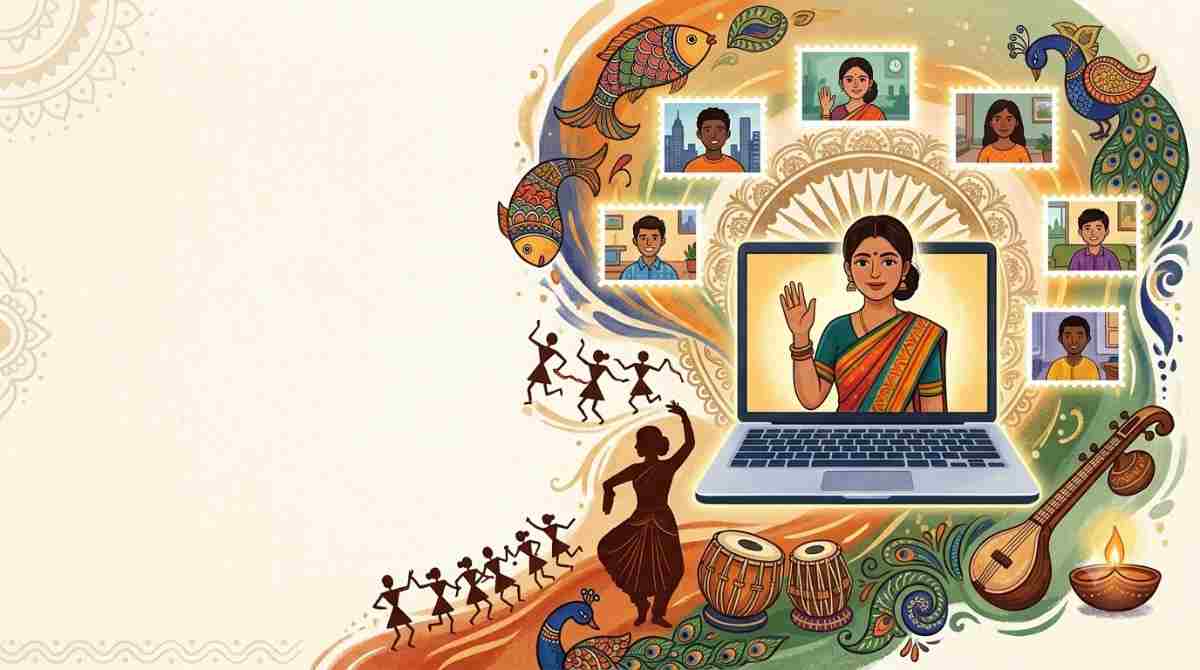
For centuries, India’s arts have traveled from one generation to the next through the guru-shishya parampara, the sacred bond between teacher and student. A painter’s brushstroke, a dancer’s mudra and a singer’s raga were never learned from a book. They were passed on, patiently, from hand to hand and voice to voice.
Today, that tradition is finding a new home online. But with so many options, one question matters more than any other: how do you find the right teacher?
This guide walks you through what to look for, whether you want to pick up a paintbrush, learn Kathak or begin your journey with the tabla.
Why the Teacher Matters More Than the Course
A good syllabus helps, but in traditional arts the teacher shapes everything: your technique, your discipline, your understanding of the art’s cultural roots and your motivation to keep going.
A great teacher doesn’t just show you what to do. They explain why. Why a Madhubani border uses certain motifs, why a Bharatanatyam adavu is structured the way it is, why a raga is sung at a particular time of day. That context turns practice into understanding.
1. Start With Your Art Form
Indian arts are remarkably diverse. Before searching, decide which direction calls to you:
- Art and paintings: Madhubani, Warli, Gond, Pichhwai, Tikuli
- Classical and traditional dance: Bharatanatyam, Kathak, Odissi, creative dance
- Singing: Carnatic and Hindustani vocal
- Instruments: Tabla, mridangam, veena, sitar, flute, harmonium
- Indian languages: Tamil, Telugu, Kannada, Malayalam, Marathi, Sanskrit
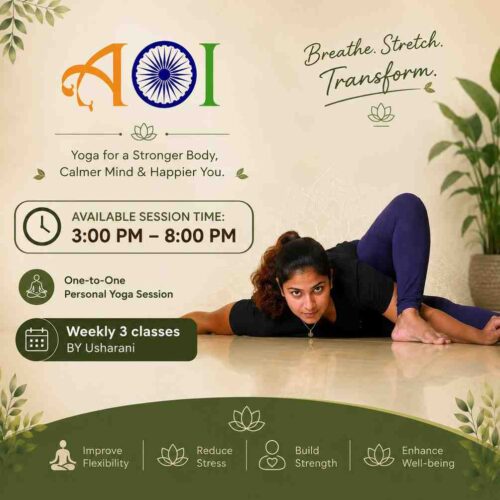
- Yoga and wellness
- Traditional recipes and crafts
Not sure yet? Try a short workshop first. It’s a low-commitment way to discover what you enjoy before enrolling in a longer course.
2. Check Experience and Lineage
Experience isn’t only about years. Look for:
- Training background: Who did the teacher learn from? A direct lineage to a respected guru or institution is a strong sign of authentic training.
- Years of teaching: Teaching is a separate skill from performing. Ask how long they’ve taught students like you.
- Performance or certification: Recognised degrees, examinations or stage experience show depth.
On the Learn ARTS of INDIA teacher directory, you can filter teachers by experience, from 0–2 years up to 10+ years, so you can match your comfort level.
3. Match the Teacher to Your Skill Level
A world-class performer isn’t automatically the best teacher for a complete beginner. Some teachers are brilliant at building foundations, while others shine with advanced students.
Use the Beginner, Intermediate and Expert filters to find someone who teaches at your level. If you’re an adult learner starting from scratch, look for a teacher who mentions patience and structured curricula.
4. Look at the Teaching Style and Bio
A teacher’s profile should tell you more than a name and price. Read the bio and ask yourself:
- Do they describe how they teach, not just what they’ve achieved?
- Do they mention the age groups or levels they work with?
- Does the tone feel welcoming and clear?
If a profile feels thin, don’t hesitate to message the teacher and ask questions before booking.
5. Understand the Pricing
Fees vary depending on the art form, the teacher’s experience and the format. Teachers may charge per hour or per month. Compare what’s included, such as class length, number of sessions per week and materials, rather than looking only at the headline price.
6. Try Before You Commit
The best way to know if a teacher is right for you is to experience a class. Start with a workshop or trial session and notice:
- Do you understand the instructions easily?
- Does the teacher give personal feedback?
- Do you leave feeling inspired rather than overwhelmed?
Trust that instinct. The right teacher makes you want to come back.
Tips for Getting the Most From Online Classes
- Create a dedicated space. A quiet corner with good light and a stable internet connection helps.
- Keep your tools ready. Brushes, paper, a tanpura app or ghungroo, depending on your art.
- Practise between classes. Even 15 minutes a day beats one long weekly session.
- Ask questions. Good teachers love curious students.
- Be patient. These are lifelong arts. Progress is built slowly, and that’s part of the beauty.
Are You an Artist? Teach With Us
If you’re a practitioner with a skill to share, there has never been a better time to teach. Learn ARTS of INDIA connects passionate teachers with learners across India and beyond. You can create your own workshops and courses, reach students who value traditional arts and help carry your craft forward.
Begin Your Journey Today
India’s arts are living traditions, kept alive only when someone learns them and someone teaches them. Whether you’re taking your first step or deepening a lifelong practice, the right guru is out there.
👉 Find your teacher now
👉 Explore workshops
👉 Become a teacher